Flavonoids

If you’ve read through this website, you’ll notice a reoccurring theme about beneficial compounds found in plants. Flavonoids are naturally occurring molecules available in many edible plant species, including herbs, spices, fruits and vegetables. From a plant’s perspective, the main function of a flavonoid is to offer protection against environmental hazards such as insects, UV-B rays and extreme weather conditions. (1)  When a plant is exposed to strong sunlight it can contain higher concentrations of some flavonoids compared to plants grown with less sunlight. This may be due to the higher UV exposure. (2)  Additionally, soil condition, when a plant is harvested and storage after harvest all contribute to the amount of available flavonoids. (3)

Flavonoids have been studied for their potential to reduce the risk of cancer, cardiovascular disease and inflammatory diseases. They’ve also been shown to have synergestic effects on various chemotherapies to enhance the efficacy of treatments. (4)

An example is apigenin, a flavonone investigated for its cancer protective compounds (5). It also appears to offer benefits in immune regulation (6), improving quality of life during treatments (7), improving drug resistance and sensitivity, anti-inflammatory abilities (8) (9), blocking cell cycle progression, improving immune cell survival (10), and suppression of insulin like growth factor (11).

When added to 5-fluorouracil chemotherapy, apigenin can enhance the drugs’ anti-cancer activity. (12) (13) In vivo studies have also shown apigenin to upregulate cell surface CD26 which may help to suppress malignant cell migration in some cancers including colorectal cancer. (14)

Apigenin may also offer benefits to reduce cancer recurrence. Hoensch et al. conducted a controlled, observational study to determine if long-term treatment with a flavonoid mixture could influence recurrence of colon neoplasia in patients with resected colon cancer. (15) Eighty-seven patients were recruited, 36 who had a surgical resection and 51 who had a polypectomy. They were matched, divided into two groups and observed for 3-4 years by colonoscopy and questionnaire. The treated group received a flavonoid mixture consisting of apigenin and epigallocathechin-gallat versus a control that received no treatment. Of the flavonoid treated patients with resected colon cancer, there was no cancer recurrence and one adenoma developed. Of the untreated controls, the cancer recurrence rate was 3 of 15 subjects or 20%, and 4 adenomas developed. This suggests that long-term treatment with a flavonoid mixture may help to reduce the recurrence rate of colon cancer in patients with resected colons.

I believe combining flavonoids and anti-cancer compounds through a dietary approach can work synergesticaly to offer chemopreventative properties against cancer. For example combining Apigenin (available in parsley and other herbs and vegetables) with Sulforaphane (contained in cruciferous vegtables) has been shown to enhance the expression of phase II detoxifying enzymes. (16)

Excellent sources of flavonoids include parsley, dill weed, fennel leaves, mint, thyme, celery hearts, onions (red, yellow, white and spring), kale, arugula, radish leaves, coriander, and radicchio. (17) Sulforaphane is available in garden cress, mustard greens, Brussels sprouts, collard greens, Asian radish, watercress, kale, savoy cabbage, red cabbage and broccoli. (18)

References:

  1. Treutter D. “Significance of flavonoids in plant resistance and enhancement of their biosynthesis.” Plant Biology. 2005;7(6):581–91. https://www.ncbi.nlm.nih.gov/pubmed/16388461
  2. Agati, G, Tattini, M. “Multiple functional roles of flavonoids in photoprotection.” New Phytologist. 2010;186(4):786-93. https://www.ncbi.nlm.nih.gov/pubmed/20569414?report=abstract
  3. Haytowitz, DB, S Bhagwat, JM Holden. “Sources of Variability In the Flavonoid Content of Foods.” Procedia Food Science. 2013;2:46-51. https://www.sciencedirect.com/science/article/pii/S2211601X13000096
  4. Gupta SC, Kim JH, Prasad S, Aggarwal BB. “Regulation of survival, proliferation, invasion, angiogenesis, and metastasis of tumor cells through modulation of inflammatory pathways by nutraceuticals”. Cancer Metastasis Reviews. 2010;29(3):405–34. https://www.ncbi.nlm.nih.gov/pmc/articles/PMC2996866/
  5. Nabavi SM, Habtemariam S, Daglia M, Nabavi SF. “Apigenin and breast cancers: from chemistry to medicine.” Anti-Cancer Agents in Medicinal Chemistry. 2015;15(6):728-35.  https://www.ncbi.nlm.nih.gov/pubmed/25738871
  6. Cardenas H, Arango D, Nicholas C, Duarte S, Nuovo GJ, He W, Voss OH, Gonzalez-Mejia ME, Guttridge DC, Grotewold E, Doseff AI. “Dietary apigenin exerts immune-regulatory activity in vivo by reducing NF-kappaB activity, halting leukocyte infiltration and restoring normal metabolic function.” International Journal of Molecular Sciences. 2016;17(3):323.  https://www.ncbi.nlm.nih.gov/pmc/articles/PMC4813185/
  7. Ferrucci V, Boffa I, De Masi G, Zollo M. “Natural compounds for pediatric cancer treatment.” Naunyn-Schmiedeberg’s Archives of Pharmacology. 2016;389(2):131-49.  https://www.ncbi.nlm.nih.gov/pubmed/26650503
  8. Armstrong CM, Gao AC. “Drug resistance in castration resistant prostate cancer: resistance mechanisms and emerging treatment strategies.” American Journal of Clinical and Experimental Urology. 2015;3(2):64-76.  https://www.ncbi.nlm.nih.gov/pmc/articles/PMC4539108/
  9. Saeed M, Kadioglu O, Khalid H, Sugimoto Y, Efferth T. “Activity of the dietary flavonoid, apigenin, against multidrug-resistant tumor cells as determined by pharmacogenomics and molecular docking.” Journal for ImmunoTherapy of Cancer. 2015;26(1):44-56. https://www.ncbi.nlm.nih.gov/pmc/articles/PMC4547171/
  10. Shay J, Elbaz HA, Lee I, Zielske SP, Malek MH, Huttemann M. “Molecular Mechanisms and Therapeutic Effects of (-)-Epicatechin and Other Polyphenols in Cancer, Inflammation, Diabetes, and Neurodegeneration.” Oxidative Medicine and Cellular Longevity. 2015;2015:181260.   https://www.ncbi.nlm.nih.gov/pmc/articles/PMC4477097/
  11. Shukla S, Gupta S. “Apigenin suppresses insulin-like growth factor I receptor signaling in human prostate cancer: an in vitro and in vivo study.” Molecular Carcinogenesis. 2009;48(3):243-52.    https://www.ncbi.nlm.nih.gov/pmc/articles/PMC2647985/
  12. Hu, XY, Liang, JY, Guo, XJ, Liu, L, Guo, YB. “5-Fluorouracil combined with apigenin enhances anticancer activity through mitochondrial membrane potential-mediated apoptosis in hepatocellular carcinoma.” Clinical and Experimental Pharmacology and Physiology. 2015;42(2):146-53.  https://www.ncbi.nlm.nih.gov/pubmed/25363523
  13.  Johnson JL, Gonzalez de Mejia E. “Interactions between dietary flavonoids apigenin or luteolin and chemotherapeutic drugs to potentiate anti-proliferative effect on human pancreatic cancer cells, in vitro.” Food and Chemical Toxicology. 2013;60:83–91. https://www.ncbi.nlm.nih.gov/pubmed/23871783
  14. Lefort EC, Blay J. “The dietary flavonoid apigenin enhances the activities of the anti-metastatic protein CD26 on human colon carcinoma cells.” Clinical & Experimental Metastasis. 2011;28(4):337–49.  https://www.ncbi.nlm.nih.gov/pubmed/21298326
  15. Hoensch H, Groh B, Edler L, Kirch W. “Prospective cohort comparison of flavonoid treatment in patients with resected colorectal cancer to prevent recurrence.”  World Journal of Gastroenterology. 2008;14(14):2187–93.  https://www.ncbi.nlm.nih.gov/pmc/articles/PMC2703843/
  16. Švehlíková V, Wang S, Jakubíková J, Williamson G, Mithen R, Bao Y. “Interactions between sulforaphane and apigenin in the induction of UGT1A1 and GSTA1 in CaCo-2 cells.” Carcinogenesis. 2004;25(9):1629-37. https://www.ncbi.nlm.nih.gov/pubmed/15090468
  17. Bhagwat, S, Haytowitz, DB. U.S. Department of Agriculture, Agricultural Research Service. Nutrient Data Laboratory. USDA Database for the Flavonoid Content of Selected Foods, Release 3.2. https://data.nal.usda.gov/dataset/usda-database-flavonoid-content-selected-foods-release-32-november-2015
  18. McNaughton SA, Marks GC. “Development of a food composition database for the estimation of dietary intakes of glucosinolates, the biologically active constituents of cruciferous vegetables.” British Journal of Nutrition. 2003;90(3):687-97.  https://ucanr.edu/datastoreFiles/608-438.pdf

Preserving Freshness in Fruits and Vegetables

Over the years I’ve learned a lot about storing vegetables and how to maintain freshness for as long as possible, Proper storage is important to preserve nutrients and involves optimal temperature, humidity and ethelyne gas control. In the early years I refrigerated my veggies in plastic bags, but I often threw out items before the end of the week. Here are some tips I’ve learned which can help to maintain the freshness of produce for up to 2 weeks.

  • Purchase produce in season as vitamins can be degrade when items are stored for long periods of time.  Many regions offer availability guides (i.e. Foodland Ontario) for local fruits and vegetables to show what’s in season.  By checking the guide you can learn about produce grown in your region, and when it will be at it’s maximum freshness. For instance, cabbage is in-season 11 months of the year in Ontario, Canada. (1)
  • Wash produce just prior to use.  Prewashing contributes to the breakdown of the cellular structure of plants and can enhance bacterial growth. The same goes for precut vegetables. Nutrients and beneficial compounds decrease when a vegetable is cut. (2) (3)
  • Wrap leafy greens in paper towels and whenever possible store them in your fridge’s produce drawers.  If you can’t use the veggie drawers, place the wrapped produce n a plastic bag with the top open to allow for air circulation.
  • Use an ethelyne gas absorber such as Blue Apple in your produce keepers.  Ethenyne is a natural product that fruits and vegetables release as they ripen.  However as ethenyne concentrates it speeds up the ripening process and contributes to spoilage. (4) Once I started using the gas absorbers my produce remained fresh in my produce keepers for up to 2 weeks. Check out Blueapple’s produce storage tips for detailed information on how to store fruits and vegetables. (5)
  • Use vegetable containers such as Rubbermaid Freshworks Produce Savers to store vegetables that won’t fit into your produce drawers.  The produce savers work by regulating the amount of oxygen and carbon dioxide in and out of the container which helps to maximize the vegetable’s freshness. (6)
  • Store apples and pears separate from your vegetables as they release a lot of ethelyne gas.   I keep those items in a bowl in my fridge, and on a separate shelf, away from the produce drawers.
  • Pay attention to how produce is displayed in the grocery store. For instance, apples, pears and broccoli will likely be in a different section from leafy greens like kale, dandelion, spinach and swiss chard.
  • Consume some vegetables raw.  When cooking, do so for the least amount of time and with as little liquid as possible. Vitamins break down when exposed to higher temperatures, and water contributes to vitamins leaching into the water.  

References

  1. Foodland Ontario Availability Guide https://www.ontario.ca/foodland/page/availability-guide
  2. How Does Cutting, Slicing, and Chopping Affect Fresh Vegetables? WH Foods http://www.whfoods.com/genpage.php?tname=george&dbid=345
  3. How to wash Vegetables and Fruits to Remove Pesticides. E. Honeycutt, Food Revolution Network https://foodrevolution.org/blog/how-to-wash-vegetables-fruits/
  4. Bluapple https://thebluapple.com
  5. Blueapple Produce Storage Tips https://thebluapple.com/pages/produce-storage-tips
  6. Rubbermaid Freshworks https://www.rubbermaid.com/en-US/fresh-works

Glucosinolates

Tumour suppressors are genes that can potentially stop the development of cancer by regulating cell growth, DNA repair and gene stability. They are often turned off by altered chromatin structure and hypermethylation. (1) The lack of control and overexpression of these genes is suspected to contribute to various types of cancer cells. 

Brassica (cruciferous) vegetables contain glucosinolates and their breakdown products, isothiocyanates (i.e sulforaphane and indole-3-carbinol), known for their tumour suppression properties. (2) (3) Studies have focused on the potential anti-cancer activities such as protecting cells from DNA damage, inactivating carcinogens, antiviral and antibacterial properties, anti-inflammatory activities, cell death, anti-angiogenesis and anti-tumour cell migration. (4) (5) (6)

In vitro (test tube) and In vivo (animal and human) studies have also focused on combining brassica extracts with various chemotherapies to enhance the anti-cancer properties of the drugs. (7) (8)

Kallifatidis et al. oversaw a study to determine if combining various agents with sulforaphane (SF) would alter the anti cancer effects of pancreatic cancer drugs. (9) Mice were injected with a rapidly growing pancreatic cell line (MIA-PaCa2) and treated with isothiocyanate sulforaphane (SF) or chemotherapeutic agents (cisplatin, gemcitabine, doxorubicin and 5-flurouracil) alone or combining each drug with SF.  Combining SF with cisplatin, gemcitabine or doxorubicin targeted 60% of the tumour cells, however combining SF and 5-flurouracil increased the efficacy to 80% of the cells.  

From a breast cancer perspective, brassica vegetables can change the way estrogen is used in the body. (10) Human studies have shown that vegetables containing indole glucosinolates shift estrogen metabolism toward a weaker type of estrogen called 2-hydroxyestrone (2HE), which has less estrogenic activity on breast cells than 16α-hydroxyestrone (16HE). (11) (12)

Cruciferous vegetables can also assist the liver in clearing out toxins in a phased process. (13) In Phase I, enzymes such as the cytochrome p450 group convert toxins from a harmful chemical to a less harmful substance.  During this process free radicals are produced and antioxidants are recruited to help reduce the damage.   If antioxidants are lacking or if there is an abundance of toxins, some substances can be converted into more dangerous compounds.  These substances can build up in the body if the Phase I process is too active.

During Phase II the liver adds conjugating enzymes including glucuronosyltransferases and sulfotransferases, to compounds to make them more water soluble.  (14) This allows substances to be excreted mainly through the urine. Isothiocyanates help to limit the Phase I process and encourage the detoxification activity of Phase II enzymes.  (15) (16)

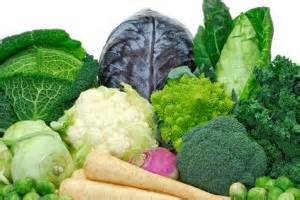
The highest concentrations of glucosinolates are found in fresh cruciferous vegetables. Good sources include garden cress, mustard greens, Brussels sprouts, collard greens, Asian radish, watercress, kale, savoy cabbage, red cabbage and broccoli. These vegetables contain a variety of glucosinolates and in varying amounts. (17) (18)

To release the beneficial compounds, the cell walls of cruciferous vegetables must be damaged (i.e. cut, chopped or chewed). and processing at high temperatures such as boiling and baking significantly decreases the compounds available for absorption. (19)

References

  1. Nguyen CT, Gonzales FA, Jones PA. “Altered chromatin structure associated with methylation-induced gene silencing in cancer cells: correlation of accessibility, methylation, MeCP2 binding and acetylation.” Nucleic Acids Research. 2001;29(22):4598-4606. https://www.ncbi.nlm.nih.gov/pmc/articles/PMC92514/
  2. Weng JR, Tsai CH, Kulp SK, Chen CS. “Indole-3-carbinol as a chemopreventive and anti-cancer agent.” Cancer Letters. 2008;262:153–163. https://www.ncbi.nlm.nih.gov/pmc/articles/PMC2814317/
  3. Watson GW, Beaver LM, Williams DE, Dashwood RH, Ho E. “Phytochemicals from cruciferous vegetables, epigenetics, and prostate cancer prevention.”   American Association of Pharmaceutical Scientists Journal. 2013;15:951–961. https://www.ncbi.nlm.nih.gov/pmc/articles/PMC3787240/
  4. Guerrero-Beltrán CE, Mukhopadhyay P, Horváth B, Rajesh M, Tapia E, García-Torres I, Pedraza-Chaverri J, Pacher P.l. “Sulforaphane, a natural constituent of broccoli, prevents cell death and inflammation in nephropathy.”  Journal of Nutritional Biochemistry. 2012;23(5):494-500. https://www.ncbi.nlm.nih.gov/pmc/articles/PMC3179776/
  5. Murillo G, Mehta RG. “Cruciferous vegetables and cancer prevention.” Nutrition and Cancer. 2001;41:17–28. https://www.ncbi.nlm.nih.gov/pubmed/12094621]
  6. Chripkova M, Zigo F, Mojzis J. “Antiproliferative Effect of Indole Phytoalexins.” Molecules. 2016;21(12):1626. http://www.mdpi.com/1420-3049/21/12/1626]
  7. Milczarek M, Wiktorska K, Lubelska K, Śliwka L, Matosiuk D, Chilmonczyk Z. P-0184 • “Selective, synergic and additive interaction types between 5-Fluorouracil and 2-Oxohexyl Isothiocyanate after sequential treatment in colon cancer cell lines.” Annals of Oncology. 2014:25: ii70  https://academic.oup.com/annonc/article/25/suppl_2/ii70/157612/P-0184SELECTIVE-SYNERGIC-AND-ADDITIVE-INTERACTION}
  8. Rausch V, Liu L, Kallifatidis G, et al. “Synergistic activity of sorafenib and sulforaphane abolishes pancreatic cancer stem cell characteristics.” Cancer Research 2010;70: 5004–5013.  http://cancerres.aacrjournals.org/content/70/12/5004.long]
  9. Kallifatidis G, Labsch S, Rausch V, et al. “Sulforaphane Increases Drug-mediated Cytotoxicity Toward Cancer Stem-like Cells of Pancreas and Prostate.” Molecular Therapy. 2011;19(1):188-195.  https://www.ncbi.nlm.nih.gov/pmc/articles/PMC3017446/]
  10. Fowke, Jay H, “A dietary strategy to reduce breast cancer risk: Estrogen metabolism and Brassica vegetable consumption.” Doctoral Dissertations Available from Proquest. 2000; AAI9960751.  https://scholarworks.umass.edu/dissertations/AAI9960751
  11. Fowke JH, Longcope C, Hebert JR. “Brassica vegetable consumption shifts estrogen metabolism in healthy postmenopausal women.” Cancer Epidemiol Biomarkers Prev. 2000;9(8):773-779. https://cebp.aacrjournals.org/content/9/8/773.long
  12. Integrative Medicine Updates – UW Health. “Breast cancer risk and 2/16 hydroxyestrone ratio.” IG14669-0408P https://www.uwhealth.org/files/uwhealth/docs/pdf/IM_Vol2_No1.pdf
  13. Nijhoff WA, Grubben MJ, Nagengast FM, et al. “Effects of consumption of Brussels sprouts on intestinal and lymphocytic glutathione S-transferases in humans.” Carcinogenesis. 1995;16:2125–2128.  https://www.ncbi.nlm.nih.gov/pubmed/7554064]  
  14. Meyer UA. “Overview of enzymes of drug metabolism .”Journal of Pharmacokinetics and Pharmacodynamics. 1996;24(5):449–459.  https://www.ncbi.nlm.nih.gov/pubmed/7554064]  
  15. Zhang Y. “The molecular basis that unifies the metabolism, cellular uptake and chemopreventive activities of dietary isothiocyanates.” Carcinogenesis. 2012;33(1):2-9.  https://www.ncbi.nlm.nih.gov/pmc/articles/PMC3276327/]
  16. Hecht SS. “Chemoprevention of cancer by isothiocyanates, modifiers of carcinogen metabolism.” Journal of Nutrition. 1999;129:768S–774S. https://academic.oup.com/jn/article/129/3/768S/4722180
  17. McNaughton SA, Marks GC. “Development of a food composition database for the estimation of dietary intakes of glucosinolates, the biologically active constituents of cruciferous vegetables.” British Journal of Nutrition. 2003;90(3):687-697.  https://ucanr.edu/datastoreFiles/608-438.pdf
  18. Ishida M, Hara M, Fukino N, Kakizaki T, Morimitsu Y. “Glucosinolate metabolism, functionality and breeding for the improvement of Brassicaceae vegetables.” Breeding Science. 2014;64(1):48–59. doi:10.1270/jsbbs.64.48 https://www.ncbi.nlm.nih.gov/pmc/articles/PMC4031110/
  19. Vermeulen M., Ineke W. A. A. Klöpping-Ketelaars, Robin van den Berg, and Wouter H. J. Vaes “Bioavailability and Kinetics of Sulforaphane in Humans after Consumption of Cooked versus Raw Broccoli” Journal of Agricultural and Food Chemistry 2008;56(22): 10505-10509 https://pubs.acs.org/doi/10.1021/jf801989e

Chlorophyll

You may have learned about chlorophyll when you were a child in science class.  Chlorophyll is a pigment that gives plants and algae their green colour. Plants use it to capture sunlight and convert it into energy, a process called photosynthesis.

Chlorophyll is being studied for its ability to reduce colonic DNA damage and colon cancer in people who eat red meat, The study’s premise is that dietary chlorophyll in green leafy vegetables may bind and stabilize heme iron to reduce DNA damage in the colon. (1)

From a detoxification perspective, animal studies indicate chlorophyll can bind with various chemicals known or suspected to cause cancer such as some polycyclic aromatic hydrocarbons (released from burning coal, oil, gasoline, trash and tobacco), heterocyclic amines (created from grilled foods) and aflatoxin (a toxin associated with liver cancer, arising from molds in foods such as peanuts and corn). In animal studies the binding of chlorophyll to these potential carcinogens interfered with their absorption in the gut. (2, 3)

Typically plants that contain the most chlorophyll are darkest in colour but there are a few exceptions.  Broccoli and asparagus, while both green in their exterior colour, are light coloured in the interior and contain small amounts of chlorophyll.  Excellent sources of chlorophyll include wheatgrass, spinach, parsley, arugula and garden cress. (4)

Chlorophyll breaks down in varying amounts when a vegetable is cut, defrosted, steamed, boiled or cooked. (5) It’s for this reason that I consume my chlorophyll through vegetables sources in salads, smoothies and vegetable juices.

References

  1. Frugé, Andrew D.; Smith, Kristen S.; Riviere, Aaron J.; Demark-Wahnefried, Wendy; Arthur, Anna E.; Murrah, William M.; Morrow, Casey D.; Arnold, Robert D.; Braxton-Lloyd, Kimberly. 2019. “Primary Outcomes of a Randomized Controlled Crossover Trial to Explore the Effects of a High Chlorophyll Dietary Intervention to Reduce Colon Cancer Risk in Adults: The Meat and Three Greens (M3G) Feasibility Trial.” Nutrients 11, no. 10: 2349. https://doi.org/10.3390/nu11102349
  2. Dashwood, R.”Chlorophylls as anticarcinogens (review)”. International Journal of Oncology 10, no. 4 (1997): 721-727. https://doi.org/10.3892/ijo.10.4.721
  3. Egner, P A et al. “Chlorophyllin intervention reduces aflatoxin-DNA adducts in individuals at high risk for liver cancer.” Proceedings of the National Academy of Sciences of the United States of America vol. 98,25 (2001): 14601-6. https://doi.org/10.1073/pnas.251536898
  4. Bohn, T. , Walczyk, T. , Leisibach, S. and Hurrell, R. (2004), Chlorophyll‐bound Magnesium in Commonly Consumed Vegetables and Fruits: Relevance to Magnesium Nutrition. Journal of Food Science, 69: S347-S350. https://doi.org/10.1111/j.1365-2621.2004.tb09947.x
  5. WHFoods. How do cooking and handling affect the chlorophyll in food? http://www.whfoods.com/genpage.php?tname=george&dbid=433


Clean Beauty

In 2018 my sister was diagnosed with breast cancer, and was concerned that personal care products could play a role in reoccurrence. During her recovery she changed her diet and radically changed her personal care routine. Here are her recommendations for products which she found particularly helpful.

After my breast cancer diagnosis, I changed most of my beauty products and many household items as well. I never gave this much thought before. But many products have toxic industrial chemicals, like carcinogens, pesticides, reproductive toxins and hormone disruptors which can lead to cancer. Ugh!

I learned about the Dirty Dozen toxic cosmetic chemicals to avoid — and now use an app called Think Dirty if I’m not sure about a product (which is basically almost always!) I love that you can use the app to read a UPC code and it rates the result for you. Admittedly, about half of the products I’ve tried to scan aren’t in their database but they are adding them all the time. If I’m not sure, I don’t buy it. 

By far my favourite store so far, The Detox Market  carry so many clean beauty brands it can be overwhelming. Another great store is Pure and Simple. But here are a few of my favs (I absolutely do not work for any of these brands, this is just my opinion):

  • Sunscreen for the Face – The Body Deli (which has a fabulous line), specifically Solar Day Cream. I’ve also tried ThinkSport Every Day Face which is more economical and has a slight tint to it that I like. 
  • Sunscreen for the Body – Green Beaver is my go to. See ewg.org for a sunscreen guide. 
  • Face Wash – Sukin is very reasonably priced and I love their facial cleanser
  • Face Moisturizer – Creme de la Rose by The Body Deli, I just LOVE this stuff! It’s expensive but worth it. 
  • Toothpaste – Toms of Maine which is a little different than Crest/Colgate but still a little minty
  • Makeup – W3LL People and Jane Iredale
  • Deodorant – Green Beaver – it takes a few weeks for your body to adjust but you need to get away from the Aluminum in most deodorants
  • Soap and Body Care – Dr. Bronners – this is a great line. I switched out all of the soap dispensers in my home with their liquid soap and also love their hand and body lotion
  • Hair – yes your hair is going to come back! (if you had chemotherapy like me), and it’s highly likely it will come back curly! I am still searching for the perfect shampoo and conditioner – if you find one let me know!
  • Hair Colour: Organic Colour Systems – this was recommended by my naturopath Dr. Jill Shainhouse who has quite a bit of knowledge in this area. The salon I’ve just tried with good results is Diana Osborne
  • Finally, I had physiotherapy to help get my range of motion back after surgery – and absolutely loved Motion Medicine which my physiotherapist introduced me to. It really does help relieve pain and helps improve motion – plus gives you a tingling feeling from the menthol about 5 minutes later!

The Art of Meditation

Meditation is the art of spending time in quiet thought and can be beneficial to many situations. Healing your mind and body, providing clarity to a problem and cultivating your intuition (also known as your inner voice) are some of the known benefits. Experts say that it can also improve your immune system, written and verbal communication, and productivity.

As Russel Simmons says “meditation can reintroduce you to the part that’s been missing”.  Once I started to meditate on a regular basis I found my decision making abilities improved, and I’m now able to quickly determine if a situation is right for me.

Many people like to meditate in silence by simply listening to their breath. My preference is to use background music which gives me something to focus on. When my mind is particularly     active, I use a guided meditation as it forces me to listen to the instructions. If it’s something you’d like to try there are many wonderful sites such as Brain SyncHay House or Youtube which offer both guided and “scratchy noise” music.

If you’re new to meditation you might find that thoughts pop up during what is meant to be a quiet minded session. I’m a task oriented person so I always have a mental list of what needs to be done each day. To calm my mind I find it helpful to imagine a box or container at the start of my meditation, and I use the box to collect any thoughts that pop up during the session.

If you don’t have time for meditation you might want to practice mindfulness during activities that require little concentration – in the shower, during a workout or a walk, while washing the dishes. Every little bit helps and when you assess your schedule you may find lots of little opportunities to fit more mindfulness into your life.

Giving Back

I believe we’re exposed to different situations in life that help us to become stronger. During difficult times we learn how to cope and what works for us may also help others either directly through the information we share, or indirectly by inspiring people to do their own research. Or you may simply offer hope by showing that you were able to get through a tough situation.

Either way I think it’s important to share learnings and be the change that we want to see. During my husband’s cancer journey I couldn’t find one site that offered “one stop shopping” with helpful information for patients and caregivers to address the physical, emotional and spiritual aspects of cancer. That’s why I created Wendy’s Wellness Connection – to pay forward what I learned and hopefully make things easier for others going through the same journey.

It doesn’t take much to share your learnings. You could send an email (which is initially how I started to share my husband’s journey), create a blog, write a book, post information to Facebook, create a group to share information … the list goes on and on.

This also holds true for work situations. Some time ago I was a new employee working for a company that didn’t have much documented about their orientation process. Rather than complain, I compiled a list of all of the info that I felt would benefit me as a new employee. I also met with other new employees to determine what they wanted to know and created an orientation guide which could be used throughout the company’s many locations to help new recruits with “the basics” that no one seemed to have time to show them.

I believe we’re all put on this Earth to collaborate, share and help each other. What gifts do you have that can be put to good use to help others?

Alternatives to Juicing

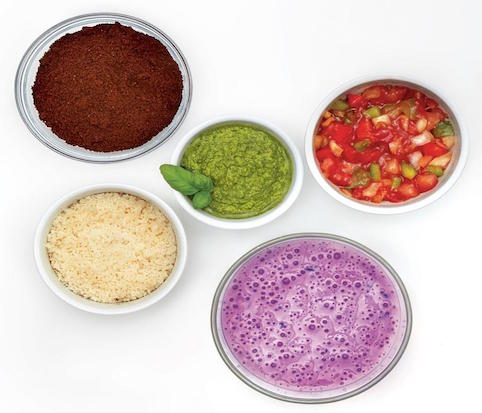
If you’re concerned about the sugar content in juice you might want to consider having a smoothie. Unlike juice, smoothies contain fibre which helps to slow the absorption of sugars and they’re generally faster to make than a juice.

Other alternatives to juice include dip, pesto, soup and broth – pretty much anything that requires blending. I believe that blended food is easier to eat when you’re not feeling well.

Here are a few links to some recipes that I particularly like.

Kris Carr: Juices & Smoothies
http://kriscarr.com/recipes/juices-smoothies/

Leslie Beck: White Bean & Garlic Dip
https://lesliebeck.com/recipes/white-bean-and-garlic-dip

Rebecca Katz: Magic Mineral Broth
http://www.rebeccakatz.com/recipe-box/magic-mineral-broth
After my husband’s surgeries he often found that juice was too strong for his system so I made broths which he could easily drink.

Rebecca Katz: Soups & Broths
http://www.rebeccakatz.com/recipe-box/?category=Soups+%26+Broths