Category Archives: Beneficial Compounds

Flavonoids

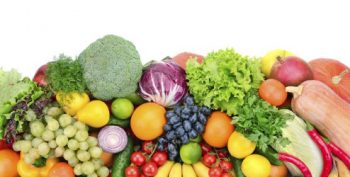
If you’ve read through this website, you’ll notice a reoccurring theme about beneficial compounds found in plants. Flavonoids are naturally occurring molecules available in many edible plant species, including herbs, spices, fruits and vegetables. From a plant’s perspective, the main function of a flavonoid is to offer protection against environmental hazards such as insects, UV-B rays and extreme weather conditions. (1)  When a plant is exposed to strong sunlight it can contain higher concentrations of some flavonoids compared to plants grown with less sunlight. This may be due to the higher UV exposure. (2)  Additionally, soil condition, when a plant is harvested and storage after harvest all contribute to the amount of available flavonoids. (3)

Flavonoids have been studied for their potential to reduce the risk of cancer, cardiovascular disease and inflammatory diseases. They’ve also been shown to have synergestic effects on various chemotherapies to enhance the efficacy of treatments. (4)

An example is apigenin, a flavonone investigated for its cancer protective compounds (5). It also appears to offer benefits in immune regulation (6), improving quality of life during treatments (7), improving drug resistance and sensitivity, anti-inflammatory abilities (8) (9), blocking cell cycle progression, improving immune cell survival (10), and suppression of insulin like growth factor (11).

When added to 5-fluorouracil chemotherapy, apigenin can enhance the drugs’ anti-cancer activity. (12) (13) In vivo studies have also shown apigenin to upregulate cell surface CD26 which may help to suppress malignant cell migration in some cancers including colorectal cancer. (14)

Apigenin may also offer benefits to reduce cancer recurrence. Hoensch et al. conducted a controlled, observational study to determine if long-term treatment with a flavonoid mixture could influence recurrence of colon neoplasia in patients with resected colon cancer. (15) Eighty-seven patients were recruited, 36 who had a surgical resection and 51 who had a polypectomy. They were matched, divided into two groups and observed for 3-4 years by colonoscopy and questionnaire. The treated group received a flavonoid mixture consisting of apigenin and epigallocathechin-gallat versus a control that received no treatment. Of the flavonoid treated patients with resected colon cancer, there was no cancer recurrence and one adenoma developed. Of the untreated controls, the cancer recurrence rate was 3 of 15 subjects or 20%, and 4 adenomas developed. This suggests that long-term treatment with a flavonoid mixture may help to reduce the recurrence rate of colon cancer in patients with resected colons.

I believe combining flavonoids and anti-cancer compounds through a dietary approach can work synergesticaly to offer chemopreventative properties against cancer. For example combining Apigenin (available in parsley and other herbs and vegetables) with Sulforaphane (contained in cruciferous vegtables) has been shown to enhance the expression of phase II detoxifying enzymes. (16)

Excellent sources of flavonoids include parsley, dill weed, fennel leaves, mint, thyme, celery hearts, onions (red, yellow, white and spring), kale, arugula, radish leaves, coriander, and radicchio. (17) Sulforaphane is available in garden cress, mustard greens, Brussels sprouts, collard greens, Asian radish, watercress, kale, savoy cabbage, red cabbage and broccoli. (18)

References:

  1. Treutter D. “Significance of flavonoids in plant resistance and enhancement of their biosynthesis.” Plant Biology. 2005;7(6):581–91. https://www.ncbi.nlm.nih.gov/pubmed/16388461
  2. Agati, G, Tattini, M. “Multiple functional roles of flavonoids in photoprotection.” New Phytologist. 2010;186(4):786-93. https://www.ncbi.nlm.nih.gov/pubmed/20569414?report=abstract
  3. Haytowitz, DB, S Bhagwat, JM Holden. “Sources of Variability In the Flavonoid Content of Foods.” Procedia Food Science. 2013;2:46-51. https://www.sciencedirect.com/science/article/pii/S2211601X13000096
  4. Gupta SC, Kim JH, Prasad S, Aggarwal BB. “Regulation of survival, proliferation, invasion, angiogenesis, and metastasis of tumor cells through modulation of inflammatory pathways by nutraceuticals”. Cancer Metastasis Reviews. 2010;29(3):405–34. https://www.ncbi.nlm.nih.gov/pmc/articles/PMC2996866/
  5. Nabavi SM, Habtemariam S, Daglia M, Nabavi SF. “Apigenin and breast cancers: from chemistry to medicine.” Anti-Cancer Agents in Medicinal Chemistry. 2015;15(6):728-35.  https://www.ncbi.nlm.nih.gov/pubmed/25738871
  6. Cardenas H, Arango D, Nicholas C, Duarte S, Nuovo GJ, He W, Voss OH, Gonzalez-Mejia ME, Guttridge DC, Grotewold E, Doseff AI. “Dietary apigenin exerts immune-regulatory activity in vivo by reducing NF-kappaB activity, halting leukocyte infiltration and restoring normal metabolic function.” International Journal of Molecular Sciences. 2016;17(3):323.  https://www.ncbi.nlm.nih.gov/pmc/articles/PMC4813185/
  7. Ferrucci V, Boffa I, De Masi G, Zollo M. “Natural compounds for pediatric cancer treatment.” Naunyn-Schmiedeberg’s Archives of Pharmacology. 2016;389(2):131-49.  https://www.ncbi.nlm.nih.gov/pubmed/26650503
  8. Armstrong CM, Gao AC. “Drug resistance in castration resistant prostate cancer: resistance mechanisms and emerging treatment strategies.” American Journal of Clinical and Experimental Urology. 2015;3(2):64-76.  https://www.ncbi.nlm.nih.gov/pmc/articles/PMC4539108/
  9. Saeed M, Kadioglu O, Khalid H, Sugimoto Y, Efferth T. “Activity of the dietary flavonoid, apigenin, against multidrug-resistant tumor cells as determined by pharmacogenomics and molecular docking.” Journal for ImmunoTherapy of Cancer. 2015;26(1):44-56. https://www.ncbi.nlm.nih.gov/pmc/articles/PMC4547171/
  10. Shay J, Elbaz HA, Lee I, Zielske SP, Malek MH, Huttemann M. “Molecular Mechanisms and Therapeutic Effects of (-)-Epicatechin and Other Polyphenols in Cancer, Inflammation, Diabetes, and Neurodegeneration.” Oxidative Medicine and Cellular Longevity. 2015;2015:181260.   https://www.ncbi.nlm.nih.gov/pmc/articles/PMC4477097/
  11. Shukla S, Gupta S. “Apigenin suppresses insulin-like growth factor I receptor signaling in human prostate cancer: an in vitro and in vivo study.” Molecular Carcinogenesis. 2009;48(3):243-52.    https://www.ncbi.nlm.nih.gov/pmc/articles/PMC2647985/
  12. Hu, XY, Liang, JY, Guo, XJ, Liu, L, Guo, YB. “5-Fluorouracil combined with apigenin enhances anticancer activity through mitochondrial membrane potential-mediated apoptosis in hepatocellular carcinoma.” Clinical and Experimental Pharmacology and Physiology. 2015;42(2):146-53.  https://www.ncbi.nlm.nih.gov/pubmed/25363523
  13.  Johnson JL, Gonzalez de Mejia E. “Interactions between dietary flavonoids apigenin or luteolin and chemotherapeutic drugs to potentiate anti-proliferative effect on human pancreatic cancer cells, in vitro.” Food and Chemical Toxicology. 2013;60:83–91. https://www.ncbi.nlm.nih.gov/pubmed/23871783
  14. Lefort EC, Blay J. “The dietary flavonoid apigenin enhances the activities of the anti-metastatic protein CD26 on human colon carcinoma cells.” Clinical & Experimental Metastasis. 2011;28(4):337–49.  https://www.ncbi.nlm.nih.gov/pubmed/21298326
  15. Hoensch H, Groh B, Edler L, Kirch W. “Prospective cohort comparison of flavonoid treatment in patients with resected colorectal cancer to prevent recurrence.”  World Journal of Gastroenterology. 2008;14(14):2187–93.  https://www.ncbi.nlm.nih.gov/pmc/articles/PMC2703843/
  16. Švehlíková V, Wang S, Jakubíková J, Williamson G, Mithen R, Bao Y. “Interactions between sulforaphane and apigenin in the induction of UGT1A1 and GSTA1 in CaCo-2 cells.” Carcinogenesis. 2004;25(9):1629-37. https://www.ncbi.nlm.nih.gov/pubmed/15090468
  17. Bhagwat, S, Haytowitz, DB. U.S. Department of Agriculture, Agricultural Research Service. Nutrient Data Laboratory. USDA Database for the Flavonoid Content of Selected Foods, Release 3.2. https://data.nal.usda.gov/dataset/usda-database-flavonoid-content-selected-foods-release-32-november-2015
  18. McNaughton SA, Marks GC. “Development of a food composition database for the estimation of dietary intakes of glucosinolates, the biologically active constituents of cruciferous vegetables.” British Journal of Nutrition. 2003;90(3):687-97.  https://ucanr.edu/datastoreFiles/608-438.pdf
Glucosinolates

Tumour suppressors are genes that can potentially stop the development of cancer by regulating cell growth, DNA repair and gene stability. They are often turned off by altered chromatin structure and hypermethylation. (1) The lack of control and overexpression of these genes is suspected to contribute to various types of cancer cells. 

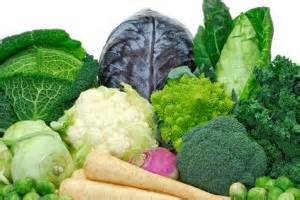
Brassica (cruciferous) vegetables contain glucosinolates and their breakdown products, isothiocyanates (i.e sulforaphane and indole-3-carbinol), known for their tumour suppression properties. (2) (3) Studies have focused on the potential anti-cancer activities such as protecting cells from DNA damage, inactivating carcinogens, antiviral and antibacterial properties, anti-inflammatory activities, cell death, anti-angiogenesis and anti-tumour cell migration. (4) (5) (6)

In vitro (test tube) and In vivo (animal and human) studies have also focused on combining brassica extracts with various chemotherapies to enhance the anti-cancer properties of the drugs. (7) (8)

Kallifatidis et al. oversaw a study to determine if combining various agents with sulforaphane (SF) would alter the anti cancer effects of pancreatic cancer drugs. (9) Mice were injected with a rapidly growing pancreatic cell line (MIA-PaCa2) and treated with isothiocyanate sulforaphane (SF) or chemotherapeutic agents (cisplatin, gemcitabine, doxorubicin and 5-flurouracil) alone or combining each drug with SF.  Combining SF with cisplatin, gemcitabine or doxorubicin targeted 60% of the tumour cells, however combining SF and 5-flurouracil increased the efficacy to 80% of the cells.  

From a breast cancer perspective, brassica vegetables can change the way estrogen is used in the body. (10) Human studies have shown that vegetables containing indole glucosinolates shift estrogen metabolism toward a weaker type of estrogen called 2-hydroxyestrone (2HE), which has less estrogenic activity on breast cells than 16α-hydroxyestrone (16HE). (11) (12)

Cruciferous vegetables can also assist the liver in clearing out toxins in a phased process. (13) In Phase I, enzymes such as the cytochrome p450 group convert toxins from a harmful chemical to a less harmful substance.  During this process free radicals are produced and antioxidants are recruited to help reduce the damage.   If antioxidants are lacking or if there is an abundance of toxins, some substances can be converted into more dangerous compounds.  These substances can build up in the body if the Phase I process is too active.

During Phase II the liver adds conjugating enzymes including glucuronosyltransferases and sulfotransferases, to compounds to make them more water soluble.  (14) This allows substances to be excreted mainly through the urine. Isothiocyanates help to limit the Phase I process and encourage the detoxification activity of Phase II enzymes.  (15) (16)

The highest concentrations of glucosinolates are found in fresh cruciferous vegetables. Good sources include garden cress, mustard greens, Brussels sprouts, collard greens, Asian radish, watercress, kale, savoy cabbage, red cabbage and broccoli. These vegetables contain a variety of glucosinolates and in varying amounts. (17) (18)

To release the beneficial compounds, the cell walls of cruciferous vegetables must be damaged (i.e. cut, chopped or chewed). and processing at high temperatures such as boiling and baking significantly decreases the compounds available for absorption. (19)

References

  1. Nguyen CT, Gonzales FA, Jones PA. “Altered chromatin structure associated with methylation-induced gene silencing in cancer cells: correlation of accessibility, methylation, MeCP2 binding and acetylation.” Nucleic Acids Research. 2001;29(22):4598-4606. https://www.ncbi.nlm.nih.gov/pmc/articles/PMC92514/
  2. Weng JR, Tsai CH, Kulp SK, Chen CS. “Indole-3-carbinol as a chemopreventive and anti-cancer agent.” Cancer Letters. 2008;262:153–163. https://www.ncbi.nlm.nih.gov/pmc/articles/PMC2814317/
  3. Watson GW, Beaver LM, Williams DE, Dashwood RH, Ho E. “Phytochemicals from cruciferous vegetables, epigenetics, and prostate cancer prevention.”   American Association of Pharmaceutical Scientists Journal. 2013;15:951–961. https://www.ncbi.nlm.nih.gov/pmc/articles/PMC3787240/
  4. Guerrero-Beltrán CE, Mukhopadhyay P, Horváth B, Rajesh M, Tapia E, García-Torres I, Pedraza-Chaverri J, Pacher P.l. “Sulforaphane, a natural constituent of broccoli, prevents cell death and inflammation in nephropathy.”  Journal of Nutritional Biochemistry. 2012;23(5):494-500. https://www.ncbi.nlm.nih.gov/pmc/articles/PMC3179776/
  5. Murillo G, Mehta RG. “Cruciferous vegetables and cancer prevention.” Nutrition and Cancer. 2001;41:17–28. https://www.ncbi.nlm.nih.gov/pubmed/12094621]
  6. Chripkova M, Zigo F, Mojzis J. “Antiproliferative Effect of Indole Phytoalexins.” Molecules. 2016;21(12):1626. http://www.mdpi.com/1420-3049/21/12/1626]
  7. Milczarek M, Wiktorska K, Lubelska K, Śliwka L, Matosiuk D, Chilmonczyk Z. P-0184 • “Selective, synergic and additive interaction types between 5-Fluorouracil and 2-Oxohexyl Isothiocyanate after sequential treatment in colon cancer cell lines.” Annals of Oncology. 2014:25: ii70  https://academic.oup.com/annonc/article/25/suppl_2/ii70/157612/P-0184SELECTIVE-SYNERGIC-AND-ADDITIVE-INTERACTION}
  8. Rausch V, Liu L, Kallifatidis G, et al. “Synergistic activity of sorafenib and sulforaphane abolishes pancreatic cancer stem cell characteristics.” Cancer Research 2010;70: 5004–5013.  http://cancerres.aacrjournals.org/content/70/12/5004.long]
  9. Kallifatidis G, Labsch S, Rausch V, et al. “Sulforaphane Increases Drug-mediated Cytotoxicity Toward Cancer Stem-like Cells of Pancreas and Prostate.” Molecular Therapy. 2011;19(1):188-195.  https://www.ncbi.nlm.nih.gov/pmc/articles/PMC3017446/]
  10. Fowke, Jay H, “A dietary strategy to reduce breast cancer risk: Estrogen metabolism and Brassica vegetable consumption.” Doctoral Dissertations Available from Proquest. 2000; AAI9960751.  https://scholarworks.umass.edu/dissertations/AAI9960751
  11. Fowke JH, Longcope C, Hebert JR. “Brassica vegetable consumption shifts estrogen metabolism in healthy postmenopausal women.” Cancer Epidemiol Biomarkers Prev. 2000;9(8):773-779. https://cebp.aacrjournals.org/content/9/8/773.long
  12. Integrative Medicine Updates – UW Health. “Breast cancer risk and 2/16 hydroxyestrone ratio.” IG14669-0408P https://www.uwhealth.org/files/uwhealth/docs/pdf/IM_Vol2_No1.pdf
  13. Nijhoff WA, Grubben MJ, Nagengast FM, et al. “Effects of consumption of Brussels sprouts on intestinal and lymphocytic glutathione S-transferases in humans.” Carcinogenesis. 1995;16:2125–2128.  https://www.ncbi.nlm.nih.gov/pubmed/7554064]  
  14. Meyer UA. “Overview of enzymes of drug metabolism .”Journal of Pharmacokinetics and Pharmacodynamics. 1996;24(5):449–459.  https://www.ncbi.nlm.nih.gov/pubmed/7554064]  
  15. Zhang Y. “The molecular basis that unifies the metabolism, cellular uptake and chemopreventive activities of dietary isothiocyanates.” Carcinogenesis. 2012;33(1):2-9.  https://www.ncbi.nlm.nih.gov/pmc/articles/PMC3276327/]
  16. Hecht SS. “Chemoprevention of cancer by isothiocyanates, modifiers of carcinogen metabolism.” Journal of Nutrition. 1999;129:768S–774S. https://academic.oup.com/jn/article/129/3/768S/4722180
  17. McNaughton SA, Marks GC. “Development of a food composition database for the estimation of dietary intakes of glucosinolates, the biologically active constituents of cruciferous vegetables.” British Journal of Nutrition. 2003;90(3):687-697.  https://ucanr.edu/datastoreFiles/608-438.pdf
  18. Ishida M, Hara M, Fukino N, Kakizaki T, Morimitsu Y. “Glucosinolate metabolism, functionality and breeding for the improvement of Brassicaceae vegetables.” Breeding Science. 2014;64(1):48–59. doi:10.1270/jsbbs.64.48 https://www.ncbi.nlm.nih.gov/pmc/articles/PMC4031110/
  19. Vermeulen M., Ineke W. A. A. Klöpping-Ketelaars, Robin van den Berg, and Wouter H. J. Vaes “Bioavailability and Kinetics of Sulforaphane in Humans after Consumption of Cooked versus Raw Broccoli” Journal of Agricultural and Food Chemistry 2008;56(22): 10505-10509 https://pubs.acs.org/doi/10.1021/jf801989e

Chlorophyll

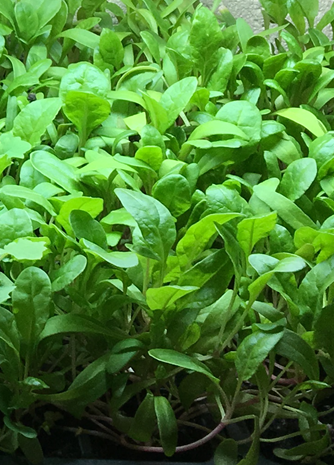
You may have learned about chlorophyll when you were a child in science class.  Chlorophyll is a pigment that gives plants and algae their green colour. Plants use it to capture sunlight and convert it into energy, a process called photosynthesis.

Chlorophyll is being studied for its ability to reduce colonic DNA damage and colon cancer in people who eat red meat, The study’s premise is that dietary chlorophyll in green leafy vegetables may bind and stabilize heme iron to reduce DNA damage in the colon. (1)

From a detoxification perspective, animal studies indicate chlorophyll can bind with various chemicals known or suspected to cause cancer such as some polycyclic aromatic hydrocarbons (released from burning coal, oil, gasoline, trash and tobacco), heterocyclic amines (created from grilled foods) and aflatoxin (a toxin associated with liver cancer, arising from molds in foods such as peanuts and corn). In animal studies the binding of chlorophyll to these potential carcinogens interfered with their absorption in the gut. (2, 3)

Typically plants that contain the most chlorophyll are darkest in colour but there are a few exceptions.  Broccoli and asparagus, while both green in their exterior colour, are light coloured in the interior and contain small amounts of chlorophyll.  Excellent sources of chlorophyll include wheatgrass, spinach, parsley, arugula and garden cress. (4)

Chlorophyll breaks down in varying amounts when a vegetable is cut, defrosted, steamed, boiled or cooked. (5) It’s for this reason that I consume my chlorophyll through vegetables sources in salads, smoothies and vegetable juices.

References

  1. Frugé, Andrew D.; Smith, Kristen S.; Riviere, Aaron J.; Demark-Wahnefried, Wendy; Arthur, Anna E.; Murrah, William M.; Morrow, Casey D.; Arnold, Robert D.; Braxton-Lloyd, Kimberly. 2019. “Primary Outcomes of a Randomized Controlled Crossover Trial to Explore the Effects of a High Chlorophyll Dietary Intervention to Reduce Colon Cancer Risk in Adults: The Meat and Three Greens (M3G) Feasibility Trial.” Nutrients 11, no. 10: 2349. https://doi.org/10.3390/nu11102349
  2. Dashwood, R.”Chlorophylls as anticarcinogens (review)”. International Journal of Oncology 10, no. 4 (1997): 721-727. https://doi.org/10.3892/ijo.10.4.721
  3. Egner, P A et al. “Chlorophyllin intervention reduces aflatoxin-DNA adducts in individuals at high risk for liver cancer.” Proceedings of the National Academy of Sciences of the United States of America vol. 98,25 (2001): 14601-6. https://doi.org/10.1073/pnas.251536898
  4. Bohn, T. , Walczyk, T. , Leisibach, S. and Hurrell, R. (2004), Chlorophyll‐bound Magnesium in Commonly Consumed Vegetables and Fruits: Relevance to Magnesium Nutrition. Journal of Food Science, 69: S347-S350. https://doi.org/10.1111/j.1365-2621.2004.tb09947.x
  5. WHFoods. How do cooking and handling affect the chlorophyll in food? http://www.whfoods.com/genpage.php?tname=george&dbid=433